
Palmer High School is big on sports. Having well known teams for almost every sport, every season. Players often gain popularity among their peers, and the highly competitive teams create players ready to continue their sport throughout college.
However, with the topic of sports often comes the weary speak of injury. Although typically minor things such as a jammed finger, body aches, or sprained ankles, sometimes worse comes to worst and players receive injuries that leave them benched for the rest of the season, or sometimes longer.
It’s not uncommon to see people with injuries throughout the halls of Palmer, but injuries can run deeper than physical features.
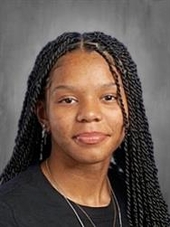
Ashtyn Brinson, a freshman at Palmer, tore her ACL playing basketball back in February 2025, and while at one point she, too, had crutches and a brace, most wouldn’t assume she was hurt seeing her now, months later.
But, even without the brace and limp, Ashtyn still can’t play the sports she loves due to not being done with physical therapy. It hurts having to sit on the bench for the majority of a season, watching her friends play the sport she wishes to make a career out of, or having to skip the season all together. The FOMO, or fear of missing out, is extreme and the emotional pain of going to physical therapy every few days and still not being cleared so deep into the season is unimaginable.
“It’s just hard having to sit out while my friends and people I look up to get to play and improve in the sport I’ve loved since I was 3. I can’t help but feel like I won’t be able to keep up with them once I can get back on the court,” says Ashtyn Brinson.
Coaches do everything they can do to help avoid injury by teaching correct form, what not to do and explaining why, as well as being there to tape fingers and ankles and relocate joints. Allowing you to practice while you’re still recovering and so much more.
When playing basketball, the most common type of injury to see is ankle injuries. Mainly because, no support or low top shoes, or not conditioning in the weight room with the team. A coach’s job is to train players to play in a way that avoids these injuries by teaching them how to stretch, and encouraging weight conditioning.
“Each player brings something different to the team, if a scorer gets injured, or our best defender, that changes the game plan and how I have to coach for the next few games until they’re back on the court,” said Coach Will.
If a player gets injured outside of the court or during off seasons, coaches can only recommend rehab, send them to Josh, our physical trainer, our coaches at Palmer will always prioritize a players health.
Most coaches would recommend club teams over summer, for basketball they have mandatory practice through June, but after that additional training or working out is what may set you apart from the competition and land you a spot on Varsity. The coach will recommend the Pluto club team.
If you came to a coach expressing interest in learning a new sport or playing for the first time they may, allow you to come to watch practices, or join the team for weights and conditioning, almost no coach would deter you from exploring the sport they love, in hopes of you loving it too.
“We before me. No matter how many points you have it’s important to prioritize the team, and that goes all the way from administration and coaches to players,” Coach Will said.
Sports physical therapists also play a big role in the recovery process especially for major injuries that require surgery or bed rest. The specialized team at Pikes Peak CISM is great for this role.
Avoiding rehabilitation puts someone generally more at risk for re-injury, other injuries, or regression instead of progression.
Personal, guided workouts are encouraged, to get a set routine because the goal is not to have someone in PT forever. Doing prescribed exercises is important, otherwise there may be no progress.
Depending on the injury, progress can be measured by range of motion, mmt which is muscle strength, tindeq which is the pounds produced force wise, or a jump test. Subjective measuring which is visual progress, and objective which is progress measured in numbers.
Each visit with a physical therapist is a re-assessment, if there’s pain there’s a change in plan, if pain continues or there is no progress and there is nothing else to do you may have to return to your doctor for a reassessment or a CT scan.
During rehabilitation PT’s have to consider an array of psychological aspects such as; a patients mental state, emotional stress or ptsd from injury, the amount of stress a patient is under via sports or family pressure and things like family dynamic: parents divorce, or taking care of kids, or too much responsibility at home. Other mental pain or avoidance of possible pain, can also elevate or increase pain or flare ups. How patients handle things, or if someone is under medication also has to be considered. If a physical therapist isn’t taking these things into consideration it’s recommended to look for someone else.
Sports physical therapists typically work with athletic trainers at school, the patient’s orthopedist, and sports coach, but it’s preferred to not have too many people with their hands in the pot. Otherwise things may get stressful for the patient.
“Do what your PT says and find someone that challenges you,” says Hannah Schwartz Pt, Dpt.
Players can do many things to avoid injuries before, during, and after their season. Working out regularly, listening when coaches or instructors correct your form, stretching before and after training, and don’t push injuries just to get more play time. Sometimes injuries are out of our control and sudden, but make sure to do everything possible to avoid injury that could have been avoided easily.