
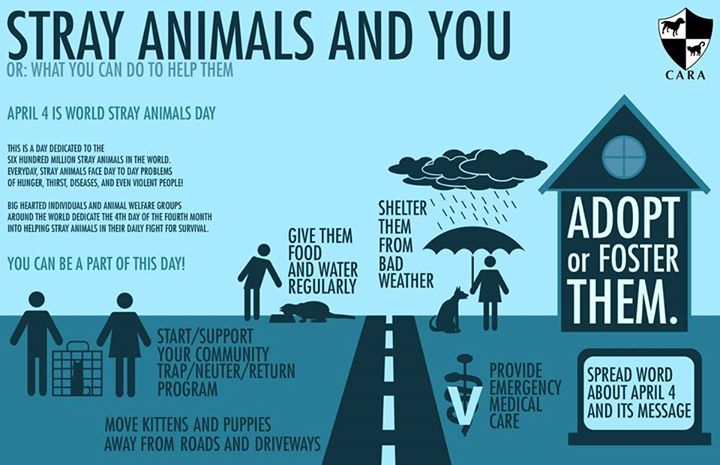
Stray animals, primarily dogs and cats, are domesticated pets that are lost or abandoned, often facing harsh living conditions, disease, and the need for, or lack of, human care. They differ from feral animals, which are born wild and fearful of humans. Safety precautions are essential, as they can carry diseases or exhibit fear-based aggression, most stray animals shouldn’t be aggressive unless they were abused by their previous owner.
Approximately 70 million stray cats and dogs live in the U.S., with millions entering shelters annually, yet only about 10% of born dogs find permanent homes. Roughly 920,000 shelter animals are euthanized yearly, though adoption rates are increasing. These animals face immense suffering, including starvation, abuse, and untreated illnesses. About twice as many animals enter shelters as strays compared to those surrendered by their owners.
Return-to-Owner Rates: Reclaiming a lost pet from a shelter is much more successful for dogs than cats.
Dogs: 15–20% are reunited with owners.
Cats: Less than 2–5% are ever reunited.
A stray is a socialized pet that has been lost or abandoned, while a feral animal was born in the wild and has had little to no human contact.
HOW TO HELP
Helping stray animals effectively involves a combination of immediate individual action and long-term community support. Whether you encounter a lost pet on the street or want to address the larger homeless animal crisis, prioritize safety and coordination with local resources. TNR Programs: “Trap-Neuter-Return” is a humane method supported by Alley Cat Allies and FOUR PAWS to manage outdoor cat populations without euthanasia.
Before approaching, check for signs of aggression or illness (foaming at the mouth, stiff posture) and ensure you are not in a high-traffic area.
Approach calmly, move slowly, speak in soft tones, and avoid direct eye contact, which many animals interpret as a threat.
Secure the Animal: Use a leash, carrier, or even a towel to safely restrain the animal. Lure them with strong-smelling food like canned tuna or treats if they are hesitant.
Check for Identification: Look for collar tags with contact info. If none are present, take the animal to a vet or shelter to be scanned for a microchip.
Report the Find: File a “Found Pet Report” with local animal control and search lost-and-found databases like PawBoost or Nextdoor.
Donate Essential Supplies: Beyond monetary gifts, shelters frequently need:
Linens, Clean towels and blankets for bedding.
Food, Unopened dry or canned pet food, or even peanut butter and baby food.
Cleaning Items, Bleach, paper towels, and laundry detergent.
Foster an Animal:, Providing a temporary home frees up critical space in overcrowded shelters and helps socialized animals prepare for permanent adoption.
The best shelters in CO springs are: happy cats heaven, humane society of pikes peak region, wild blue cats, all breed rescue and training and last but not least, no hound unhomed. All of these shelters are non-kill shelters.