
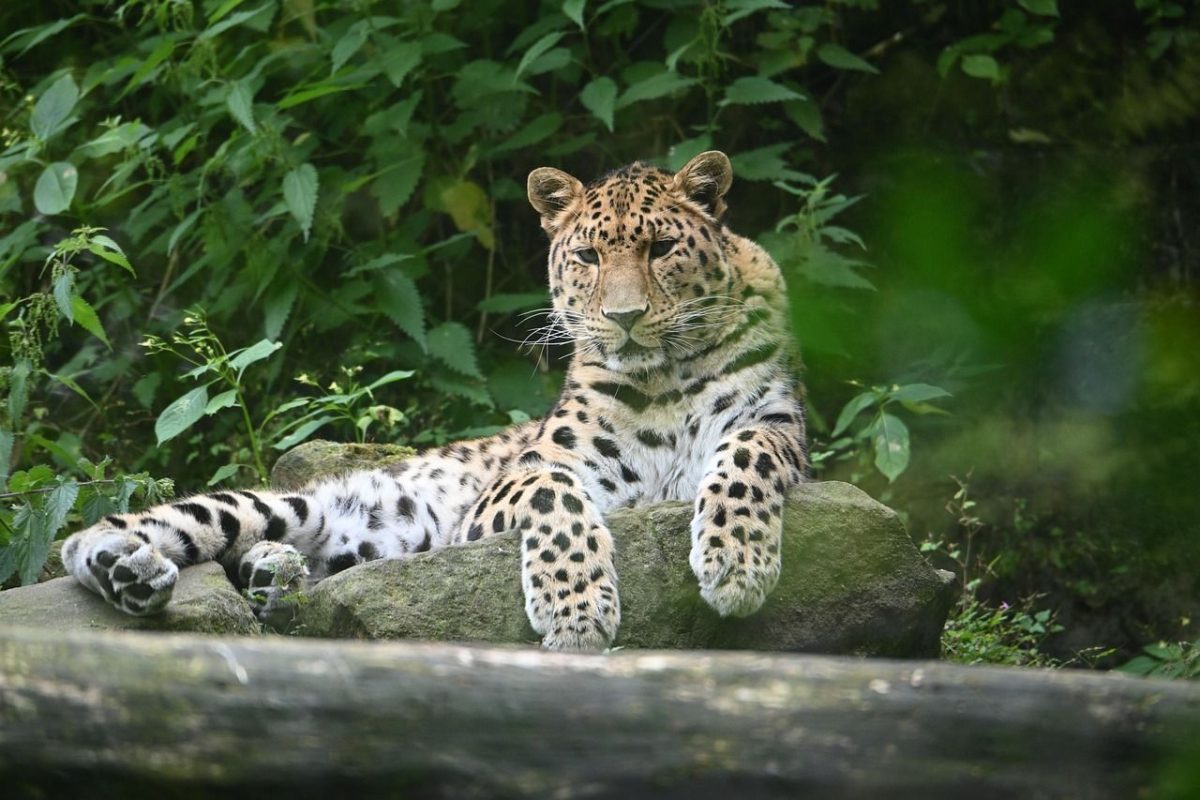
As of this year, 2026, there are around 130 Amur Leopards left, within Russia and China. In China, there are only 80 individuals, and in Russia there are at least about 30 to 40 Amur leopards. Why should Palmer students care about the Amur Leopard and the extinction?
Mrs. Sutela, a biology teacher at Palmer High School, says, “they are incredible creatures that are able to survive even now when humans make it difficult.”
Palmer students should care about the amur leopard because they’re the top predators in their landscape, so they play a very crucial part in keeping the right balance of species in the area.
According to Mrs. Sutela, “They’re a top predator; they keep all the other organisms in check like, populations.’’
The loss of the species also affects the health of the forests and wider environment, that also provides local wildlife and people with food, water, and other resources.
Because the amur leopard eat deer, they prevent deer from overgrazing. Overgrazing causes plant life to die, the trees have difficulty being grown, and eliminates the shelter for smaller animals. Overgrazing can even increase the severity of flooding.
Biodiversity is also a problem, because there is less breeding leopards leading to,inbreeding and health problems. Inbreeding happens when male leopards mate with their mothers, sisters, and aunts.
Poaching is illegally capturing and killing leopards. Leopards are killed and captured because of the demand for taxidermy. Mrs.Sutela says, “It’s important to know how their habitat has changed over time, and how growing human populations affects them.”
It’s important to raise awareness about the amur leopard Mrs. Sutela says, ”they should be conserved and not hunted. Teaching people about them is the biggest way to save them. It’s a positive sign that their population is increasing again and might recover.”