
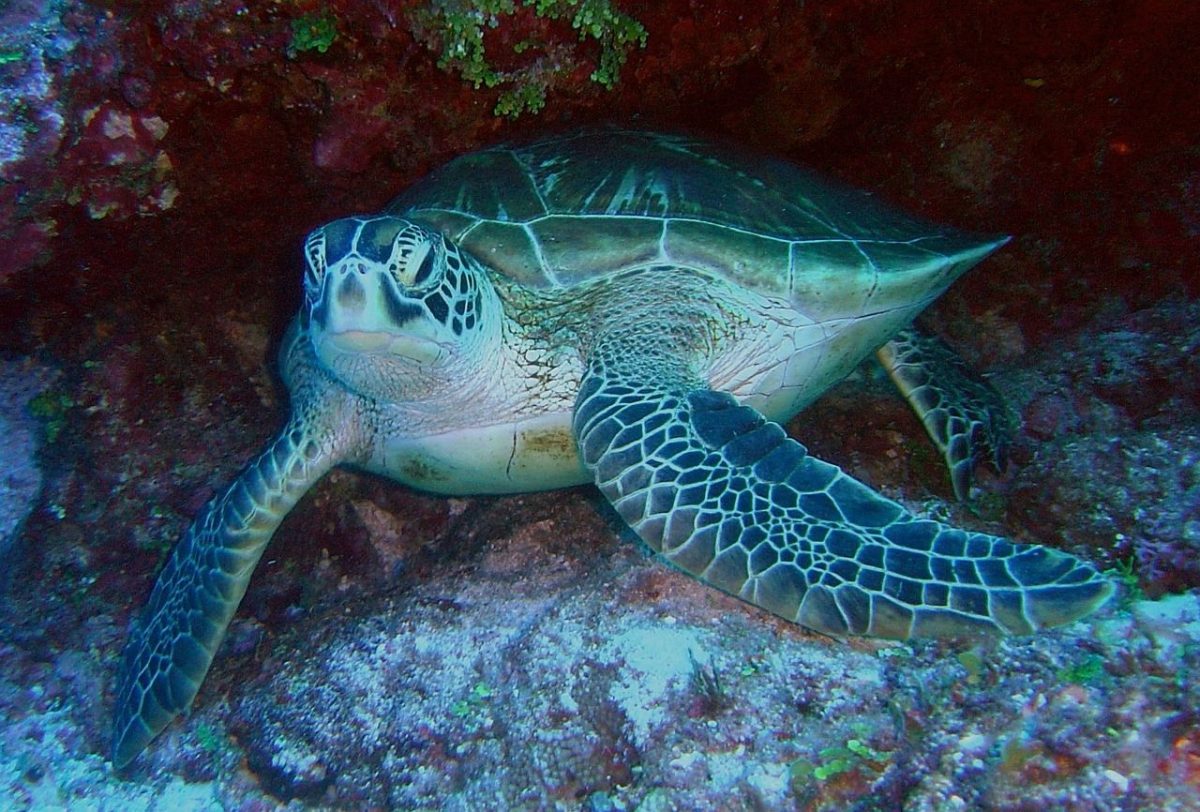
Nearly all seven types of sea turtles are classified as threatened or endangered, with some like the Kemp’s ridley and Hawksbill, listed as critically endangered.
They face severe risks from human activities, including plastic pollution, bycatch in factories, poaching, and climate change affect nesting beaches. Some, like the Green sea turtle, have shown population recovery, but this doesn’t mean all species are able to.
This is why humans need to take action before they are all gone.
“Choose eco friendly alternative’s, watch your pollution.”
The Kemp’s ridley is the most endangered type of sea turtle with only 1 of 1,000 hatchlings making it to adulthood. As a critically endangered species, their population has declined by 88–92% over the past 67 years, driven by threats like fishing gear entanglement, cold-stunning, and habitat. Recent estimates suggest around 7,000 to 9,000 nesting females, a significant increase from their low point in the 1980s, but still far below historic numbers, with conservation efforts focusing on protecting their limited Gulf of Mexico nesting grounds.